Highlights

Say it in two words. No search, no photo, no typing. Unless you want to.
Every screen is a conversation. Tap an insight, a meal or your calories, and ask about it.
It remembers you. Your routine and what you’re working on, so you don’t have to repeat yourself.
Mistakes fixed in a sentence. Say what was wrong and the log follows.
Say it or tap it. Anything you can say, you can also change by hand.
Just ask it
Same food. Different reason.
Calories say what you ate. Context says why. One meal tells you little. A month of them tells you a lot.
Nothing to fill in. It hears it in what you say: “rough day,” “wasn’t hungry,” “booked it last week.”
The details of every meal. Hunger, mood, reason, company, place, pace, planned or not.
Yours to correct. A wrong tag changes with a word or a tap.
The why behind insights. It’s what lets it explain, not just count.
Burger and fries can mean very different things
Food was never the problem.
Not seeing it was.
You already know how you eat, you’ve just never seen it. It notices what keeps repeating, like when stress eats for you or what long days do to dinner.
Keep what works. It finds your good days and what they shared.
Today shapes tomorrow. See how a late snack tonight changes breakfast tomorrow.
Your reasons, put together. Say “long day” or “with friends” as you log. It finds what those meals share.
What you think, checked. Say evenings are hard, and it shows what really happens.
Sharper every week. Small notes after a few meals, the bigger patterns after a few weeks.
Test one small change. It runs it with you for a few days and tells you if it worked.
Backed by research. Known patterns from sleep, appetite and habit science, checked on your own days.
Only what’s real. Coincidences are dropped, and when nothing repeats, it stays quiet.
What it can tell you
When it’s a guess, it says so.
Scan a barcode or name the exact product, and you get the number from the label. Describe a homemade bowl or snap a photo, and it’s an estimate, so it carries a ~.
Most apps show both the same way, so a guess looks like a fact. And even a label is allowed to be 20% off. For what Patternist does, an honest estimate is enough: it doesn’t count to the last calorie, it finds what repeats.
From the photo alone
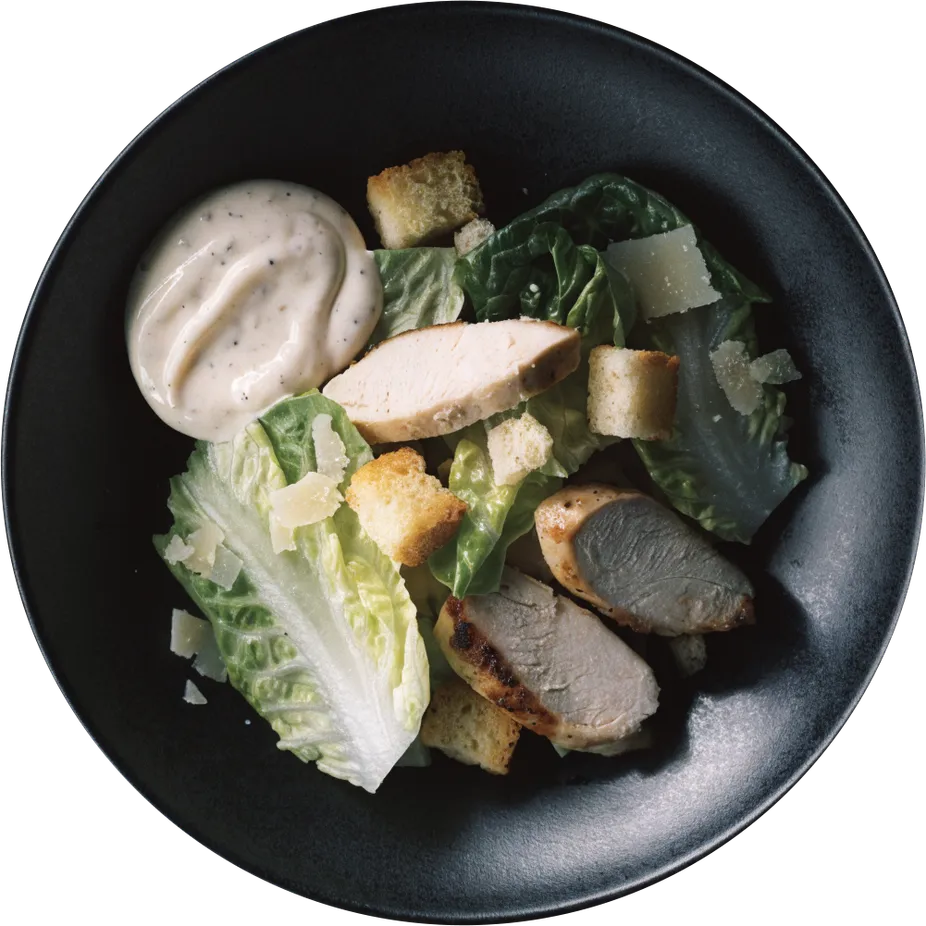
No app can tell from a photo what’s in this salad. It can’t see the oil in the pan or the dressing under the leaves.
Your voice can. Say “light dressing” or “grilled breast,” and the estimate gets closer.
A tracker counts. This one explains.
Finally, a food app you’re not embarrassed to keep on your home screen.
Who is this for
You want to lose weight without a meal plan, a food scale or a streak.

You quit every tracker because it looked like hospital software.
Your days are calls, deadlines and a screen. Food happens in between, and you’d like to see it.
You already tell ChatGPT what you ate. You’d like something that remembers it and notices on its own.
Your afternoons crash, and you’re not sure food has anything to do with it. You’d like to know.
You eat well, or think you do, and nothing changes. You want to see what you’re missing.
You suspect your evenings, your Mondays or your stress decide what you eat. You want to know.
You’re trying to eat more, not less. Enough protein, meals that don’t get skipped.
You like where your weight is and want to keep it there without thinking about it daily.
You were asked to keep an eye on iron or sodium, and want to see it in what you already eat.